Self
Self-perception, sense of value, expectations, and self-evaluation, including needs for dignity, freedom, and achievement.
PERSONALITY 14
Why do you and others respond so differently to the same situation? Personality 14 explores the needs, drivers, and habits behind personality. Start with 14 animal images to understand yourself and the people around you better.
Some people act first; others analyze first. Some focus on relationships; others want to solve the problem right away. These differences shape how you decide, collaborate, and what support you need. Personality 14 uses approachable animal imagery to help you explore the needs behind these differences.
The strengths and combinations of 14 personality dimensions together shape who you are. Recognizing yourself in a description is the start of exploration. Then explore how these tendencies appear in everyday life through six perspectives: Self, Interpersonal Relationships, Work, Emotions, Self-Control, and Life Philosophy.
Growth does not mean becoming someone else. You can keep your diligence, enthusiasm, sensitivity, or decisiveness while learning different approaches for different situations, helping your existing strengths work better.
Two people may choose solitude for different reasons: one needs quiet time to organize their thoughts, while the other wants autonomy. Two people may check their work carefully: one values standards and responsibility, while the other is particularly sensitive to irregularities and risk.
These are hypotheses for understanding differences, not a way to determine personality from a single behavior. Assessment, dialogue, and observation in context gradually build an understanding that better reflects the person involved.
Animal imagery offers a starting point for understanding differences. Formal interpretation still requires considering dimension strengths, the complete combination, and real-life context.
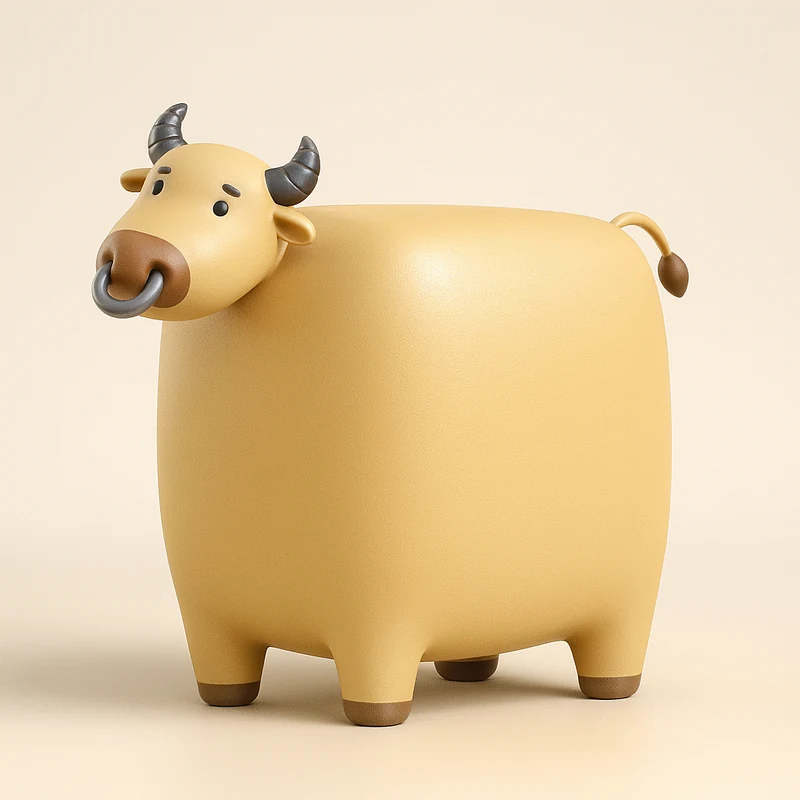
Quality Guardian
'If you entrust it to me, I want to do it well.'
Grounded · Responsible · Order-Oriented
Meet This Type
Mood Brightener
'When I am here, the mood gets a little brighter.'
Enthusiasm · Expression · Interaction
Meet This Type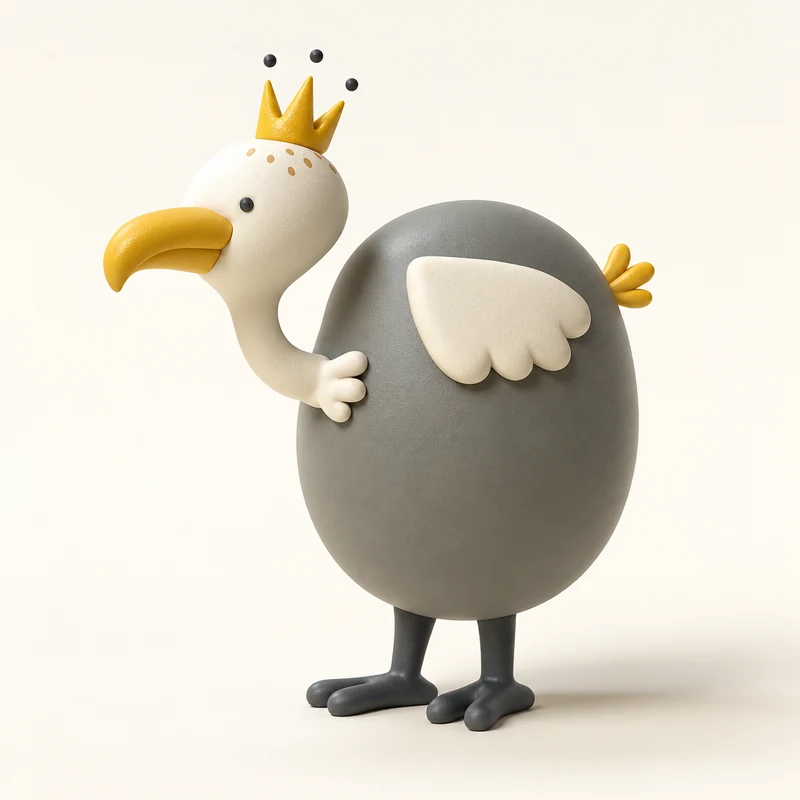
Big-Picture Navigator
'See the whole picture first, then make your next move count.'
Strategy · Goals · Results
Meet This Type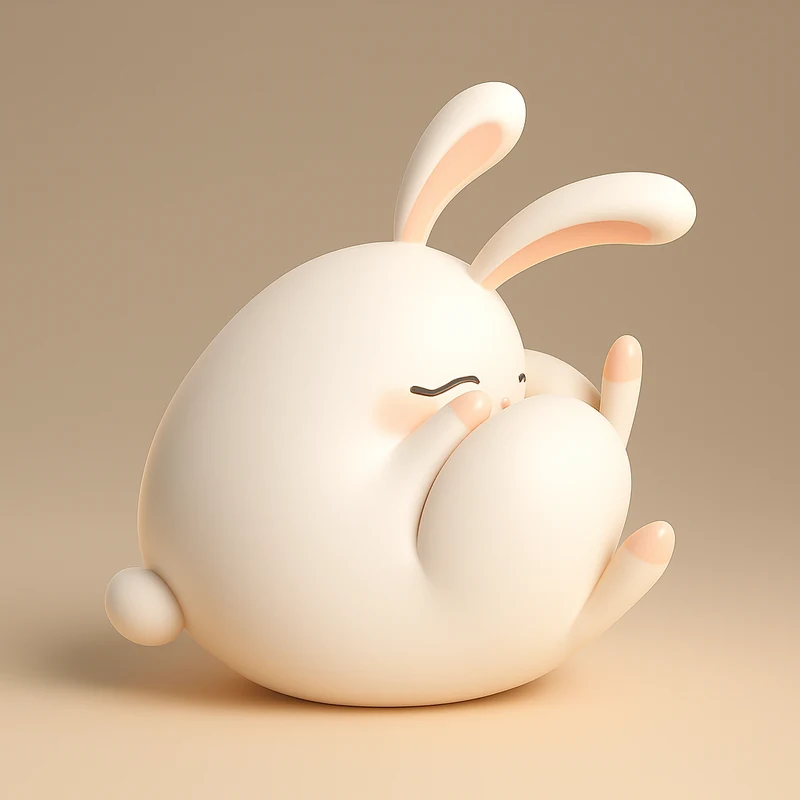
Emotional Radar
'I want to gently hold what you leave unspoken, too.'
Gentle · Sensitive · Cautious
Meet This Type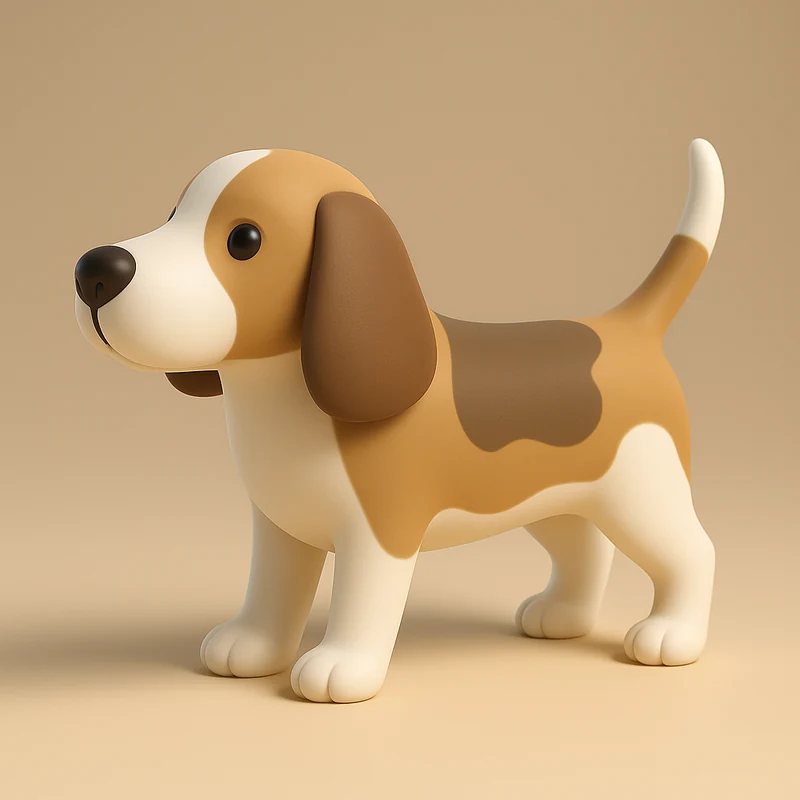
Trust Scout
'Trust is precious. I take care to verify it.'
Loyalty · Perceptiveness · Justice
Meet This Type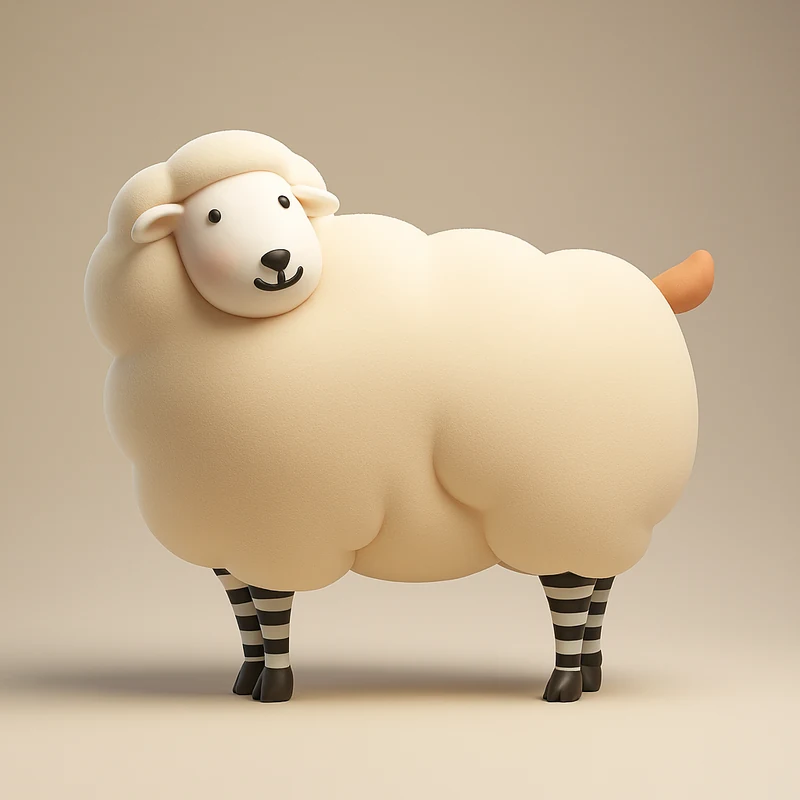
Gentle Companion
'It is enough to feel at ease together.'
Cooperation · Belonging · Harmony
Meet This Type
Goal-Driven Engine
'When I set my sights on something, I want to give it my all and win.'
Confidence · Decisiveness · Influence
Meet This Type
Emotional Improviser
'When something moves me, I want to give it my all.'
Creative · Flexible · Adaptable
Meet This Type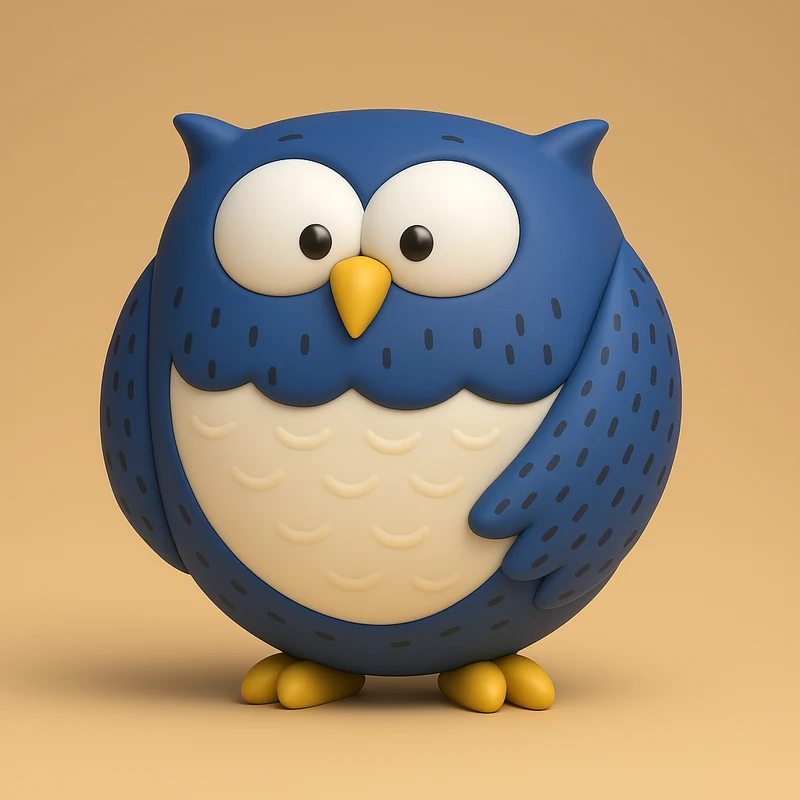
Calm Problem-Solver
'Let me think. The answer will gradually become clear.'
Reason · Analysis · Focus
Meet This Type
Free-Spirited Doer
'Next stop unknown? Perfect. Let's go.'
Freedom · Speed · Exploration
Meet This Type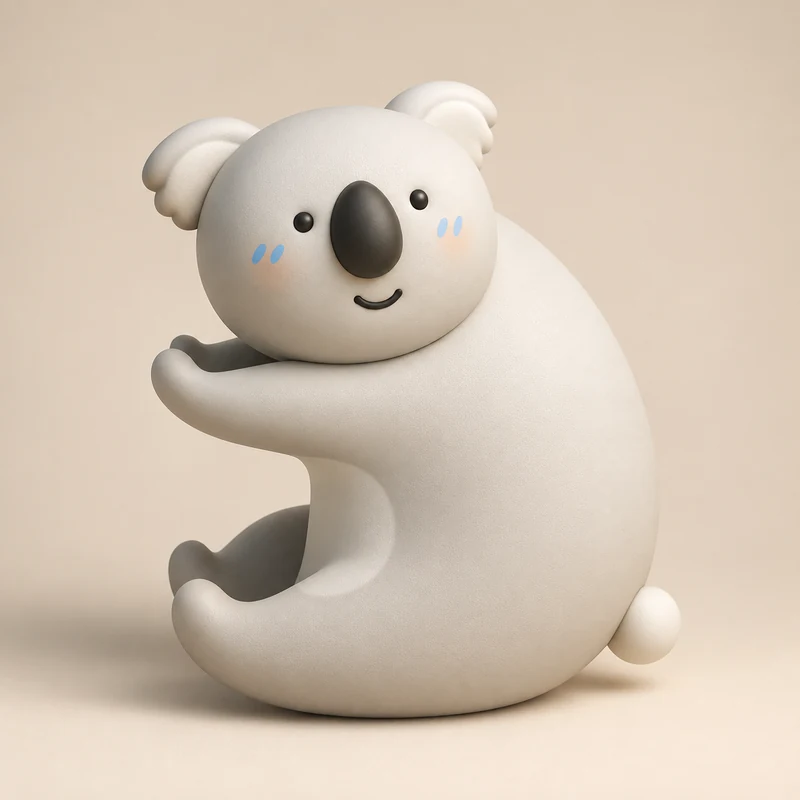
Easygoing Life Enthusiast
'You can reach a place you love at your own pace.'
Peaceful · Easygoing · Interest-Driven
Meet This Type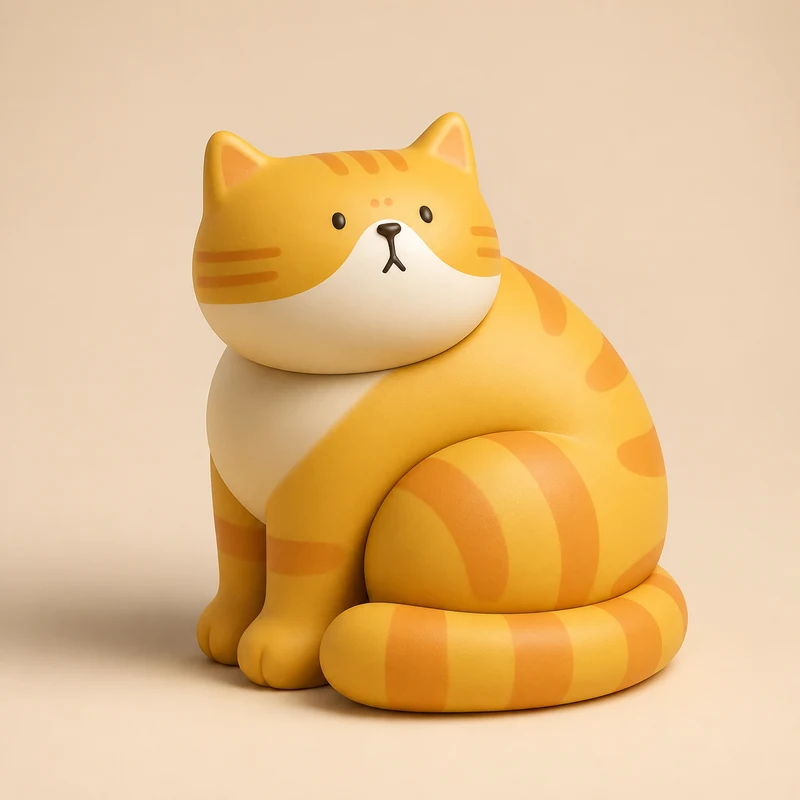
Collector of Inspiration
'The world is vast. I want to explore it in my own way.'
Independence · Introspection · Conviction
Meet This Type
A Source of Warmth
'Being able to help you makes this day more meaningful.'
Sincerity · Helping Others · Connection
Meet This Type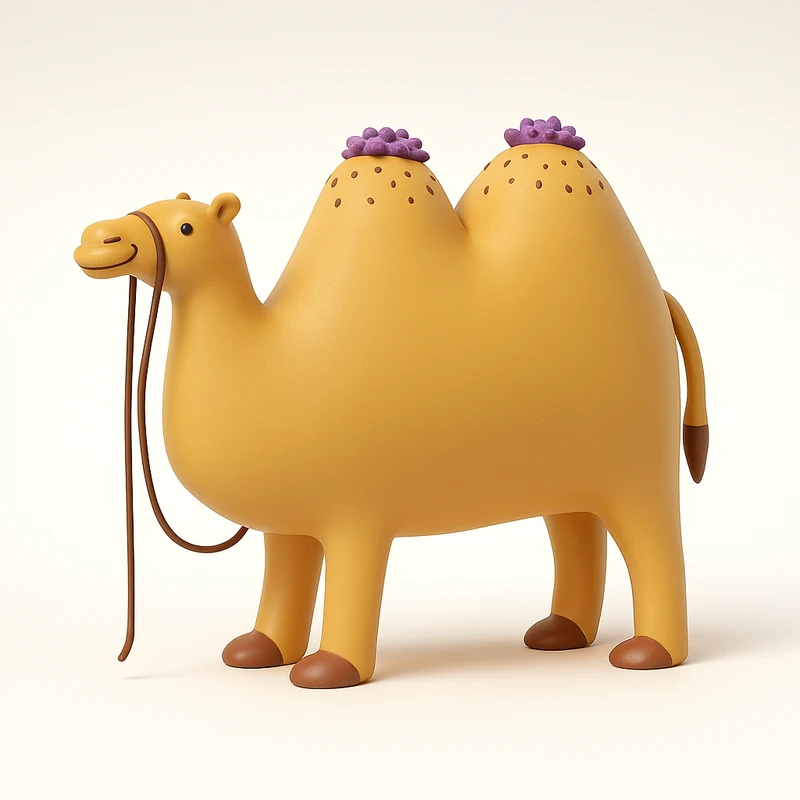
Steady Long-Distance Performer
'No rush to shine. I will get there steadily.'
Resilient · Practical · Self-Disciplined
Meet This Type| Personality Dimensions | A Perspective for Understanding | Development Points to Consider |
|---|---|---|
| Buffalo Type | Values principles, responsibility, commitments, and the quality of completed work | Whether high standards allow for priorities and flexibility |
| Peacock Type | Enjoys expression, interaction, and being noticed | Align what you express with real commitments and results |
| Vulture Type | Values taking charge, competition, and driving toward goals | Whether you understand others' needs while driving results |
| Rabbit Type | Sensitive to feelings, values courtesy, and notices others' reactions | Express your own views while being considerate of others |
| Hound Type | Values vigilance, spotting anomalies, and independent judgment | Distinguish facts, assumptions, and concerns that need verification |
| Sheep Type | Values harmony, companionship, and mutual support | Maintain your own judgment and appropriate boundaries |
| Lion Type | Values self-affirmation, achievement, and bringing ideas to life | Calibrate ambition and confidence through real-world feedback |
| Chameleon Type | Values feelings, emotional connection, and present experience | Do not let passing emotions alone determine important choices |
| Owl Type | Values reflection, solitude, and calm thinking | Clearly share your thinking with the people you need to work with |
| Panther Type | Values freedom, novelty, and firsthand experience | Plan the necessary risk checks before taking action |
| Koala Type | Values comfort, personal interests, and a preferred pace of life | Build a sustainable rhythm of action while caring for yourself |
| Cat Type | Values independent thinking, individuality, and staying true to oneself | Connect your ideas with real-world conditions |
| Bee Type | Values helping, giving, and others' needs | Protect your resources, boundaries, and personal needs |
| Camel Type | Values practicality, endurance, and preparation for risks | Recognize limitations while keeping possible options open |
These are guides to reading dimensions, not judgments of a person's worth. No single dimension determines overall competency.
Valuing quality can support meticulous work, but applying the same level of scrutiny to every task can affect time allocation. Valuing harmony can support collaboration, but continually leaving disagreements unspoken can delay problems until later.
Interpretation therefore goes beyond high and low scores. Ask: in what context is this trait used? Is its intensity appropriate? Do other traits support or balance it? Has the person already developed ways to adjust?
Businesses can use it to discuss work styles and collaboration needs; schools can support self-understanding and exploration; coaches can ask more context-specific questions. What matters is checking interpretations against the person's experience, not treating analysis as a final verdict.
Role-related judgments still require competencies, task requirements, and behavioral evidence. Personality images alone do not provide answers for hiring, choosing a field of study, or relationship compatibility.
The fun introductory exploration is for self-discovery and is not equivalent to a formal TPES assessment. Formal analysis should use assessment data from the version appropriate to the intended participants.
Place personality tendencies in the context of Self, Interpersonal Relationships, Work, Emotions, Self-Control, and Outlook on Life.
Self-perception, sense of value, expectations, and self-evaluation, including needs for dignity, freedom, and achievement.
How you build relationships, maintain distance, respond to trust and conflict, and interact with family, friends, and colleagues.
Attitudes and actions when facing responsibilities, rules, cooperation, criticism, and task delivery.
Feelings, expression, regulation, and stress responses when facing change, including understanding the messages emotions bring.
Observe impulses, delayed gratification, long-term planning, frustration tolerance, and patterns of thinking before acting.
Guiding principles, moral judgment, beliefs, life's meaning, and personal inner logic.
Responsibility and QualityChallenge and Taking the LeadAmbition and AffirmationCombination illustration: also consider dimension strengths, life experience, and context.
Your primary type highlights your more prominent tendencies. Secondary types may reinforce or balance them. Less prominent dimensions invite further questions: which approaches are you not yet comfortable using? Which strengths have not had a chance to emerge? Your full profile reveals more of your individuality than a single label.
Rabbit's sensitivity and need for security, Sheep's emphasis on close connections, and Bee's satisfaction in helping others can all appear as thoughtfulness. Yet the support each needs differs: some need gentle, clear feedback; some need to voice their own views; others need to set boundaries while giving.
Buffalo's responsibility and quality focus, Vulture's drive to challenge and lead, and Lion's ambition and self-affirmation can combine into strong commitment to goals. It is also worth checking whether standards and pace become too demanding. Understanding the combination helps you find suitable ways to collaborate and develop.
People with Peacock or Hound traits may express themselves and interact differently depending on whether their other traits emphasize relationships, responsibility, or goals. TPES interprets the overall combination in real situations, rather than drawing conclusions from a single type.
COMMON QUESTIONS
Find useful answers to the questions in front of you.
Yes. The 14 animals are a way into understanding personality archetypes, not mutually exclusive boxes. The strength and combination of different dimensions can show up differently across life situations. Do not let a single description define your whole self.
Choose a recent situation at work or in a relationship. Explore what mattered most to you, how you usually respond, and whether another approach is possible. Detailed type introductions cover work, relationships, stress, and small exercises, giving you a place to begin.
The highest dimension gives you a starting point, while other traits can reinforce, balance, or change how you express yourself. Consider the primary type, supporting type, overall profile, and life experience together to better understand how the same person responds at work, in relationships, and under stress.
Everyone has a different mix of traits, experiences, and circumstances. Even among people who value relationships, some prioritize security, some value companionship, and others find fulfillment in helping. In-depth TPES interpretation explores these differences to identify support that fits the individual.
TAKE YOUR NEXT STEP
Tell us your role, needs, and region,
We will help you find the right TPES platform, service, or partnership contact.